
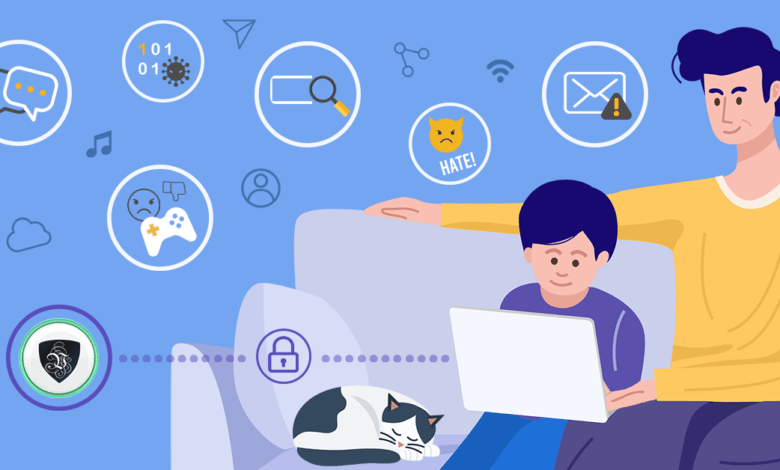
Emerging technologies have taken over every aspect of our lives. There is nothing you can think of that is not entwined by technology. Every dimension of our lives revolves around digital gadgets and appliances. In today’s world, Technology and its attributes affect every individual directly or indirectly. Older people, young people, kids, and teens; in fact, every human being is under the influence of this technology. Even a newborn or a fetus in the womb has potential ramifications for technology.
The automation and digitalization revolution has many benefits, but certain disadvantages come with the package. Entertainment, Education, Encyclopedia, Heritage, Knowledge, Family, Culture, Health, Law, Social Behavior, and Psychological Behavior are highly influenced, regulated, and modified due to technology. There are lots of challenges interconnected with these, but one of them, in my opinion, is much more important to observe and needs special attention.
That is, kids’ online time spent and their online behavior. This hair-raising ultimate provocation is in consideration of every parent and guardian who is looking after kids. Because of the usefulness and expediency of mechanics and digital, parents are obliged to put their kids online. While putting them online, they install high-alert supervision to monitor their kid’s behavior online.
Dormant Risks of Digital
What do kids usually do with their phones having an internet connection? They do some cool and entertaining stuff, and nowadays, their school is also in their pockets. They play online games, use social networks, and take awesome pictures. Do you realize that the most harmless activities of your kids online may have some hidden hazards and could change their behavior, too? It could also invite some unwanted social demons, making your kids believe that they can hide stuff from parents, or maybe they can do some inappropriate things because it is trending, regardless of right and wrong. There are more dangers like cyberbullying, kids getting involved in offensive content and images, and someone stealing your kids’ creative content, photos, and identity. And lastly, they may breach privacy and might not know it. Moreover, if unattended, a kid with a mobile or a tablet can spend several hours online, which could damage their eyesight, posture, and psychological and social behavior.
Kids’ Online Behavior Should Be Surveilled

Shedding light on the potential damage of digital gadgets doesn’t mean that a kid should be prohibited from using them completely. Certain ways could help parents monitor and regulate their kids’ online behavior. As a diamond cuts a diamond, parents should use the same technology to keep track of their kids’ online behavior and make their kids follow the rules of being online and using the gadgets.
There are many parental control apps available online for iPhone, Android, and Windows to help you in this regard. Nowadays, most parents are also tech-savvy like their kids, so it is very easy-peasy lemon squeezy to check your kids’ attitude towards internet usage and screen time spent online.
Pointers to Observe kids’ online behavior

Every human being is different, so are their kids. There is no parameter or gauge that can tell you exactly what is happening to your kid, but there are some pointers that you can use as red flags according to your child’s behavior. Parents know their kids the most about their habits, hobbies, likes, dislikes, sleeping patterns, and behavior. All these pointers can tell you all the secrets.
If your kid’s grades start fluctuating or they begin making friends who are drastically different from the older ones. If your kid’s alone time is increasing, he is doing nothing, literally nothing. You, as a parent, should be more vigilant and observant. Try an online parental control app and customize it according to your kids’ online behavior.
Tip: Before things get worse and you start to encounter your kids, you should tell your kids what to do online; instead you hold them responsible for doing something. For instance, ask your kid to browse some influential bloggers on YouTube instead of telling them not to search for inappropriate videos. Changing your approach would change your kids’ online behavior.
mSpy for Your Kids
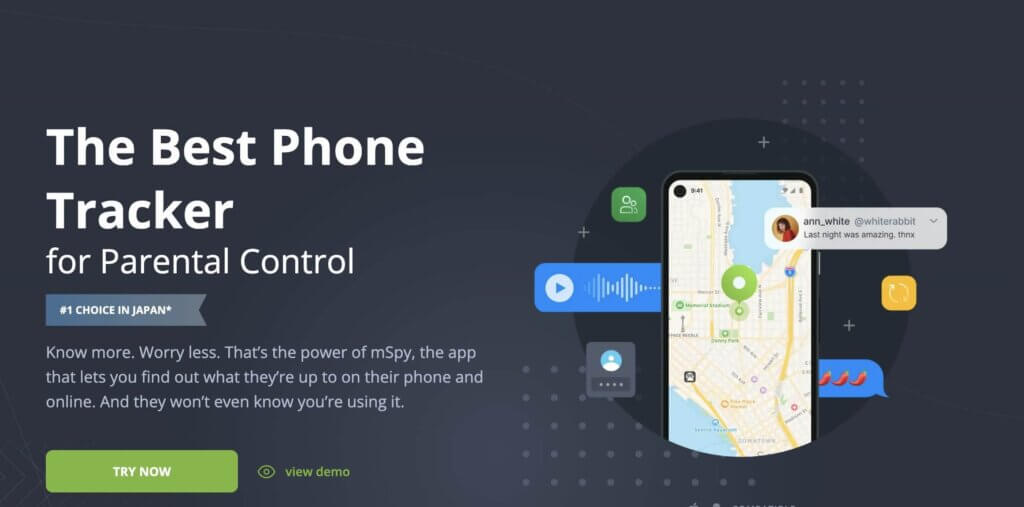
So, as a parent, you have done everything to monitor your kid’s online behavior. Virtual scenarios are vaguer than in-hand facts and figures. Here comes the Digitalization of surveillance. You need to set technical parental controls on the app, and you will get all the reports in front of you the moment your kid crosses the forbidden line. mSpy is the best available online app that allows you to keep track of your kids’ online behavior.
It also helps you to set timetables to regulate how much time your kids spend online. It also offers numerous functions and utilities that will help you keep an eye on your kids when they are not at home. mSpy gives you full control over your kids’ machines, i.e., smartphones, tablets, laptops, and computers, along with the liberty to protect them from the harmful dangers of the web and keep tracking them when they are out.
Following is a glimpse of what kind of parental control you wish for, and mSpy is making it possible for you.
- GPS Location Tracking
- App Blocker & App Activity Tracker
- Text Messages & Calls Monitor
- Web Filter & SafeSearch
- Social Media Texts & Porn Images Alerts
Activity Report
It’s kind of a digital report card on your mobile screen, summing up the activities your kid has been doing all day long. It includes details about web browsing, social networking, Emails, messenger texts, etc. It also shows the time they already spend on a particular app and how many times an app is used.
Location Tracking
The self-explanatory feature of the mSpy app allows you to track your kid’s real-time location and even alerts of the no-go areas already set using Geofencing. With geofencing, parents could also mark safe zones for their kids to visit. Parents could also check the history of the locations their kids visited previously.
App Blocker
App blocker is a feature of mSpy that allows parents to restrict their kids’ usage of any app. Parents could also limit the time of usage if they think excessive use could be harmful in the long run. This feature could block offensive apps and even send alerts to parents if the kid is trying to access the blocked content.
Screen Time Table
This feature is my favorite. Using this feature of mSpy, you can customize the screening timetable according to every new routine of your kid. During exams, you can limit screen time, and on vacations, you can increase it accordingly. In case of addictive behavior towards cellphones, mSpy allows you to completely block the cell phone temporarily. It also keeps daily, weekly, and monthly records of time spent watching screens.
Filtering Websites
Kids are brilliant nowadays; they know how to clear browsing data history, cookies, and cache. With the mSpy website filtering feature, you can tell them that you have the superpower to know what they have deleted. You can always check which websites should be browsable for your kids and block the ones that are not safe enough.
Detect Suspicious Text and Photos
This mSpy feature monitors all the text and photos received on the cell phone. Parents will get alerts in case the app detects any inappropriate pics containing nudity and porn. mSpy will detect text that contains foul language, abuse, threats, or blackmailing content.
Conclusion
In conclusion, children using smartphones and digital devices have become a normal part of modern life, but it also brings new responsibilities for parents. Giving a child access to a device is not the same as giving them unrestricted access to the internet. Without proper guidance, kids may encounter inappropriate content, excessive screen time, or unsafe online interactions. That’s why a balanced approach—combining supervision, communication, and smart tools—is essential to ensure their safety.
One effective solution is using parental control software like mSpy, which helps parents stay informed about their child’s online behavior. With features such as screen time tracking, browsing history monitoring, app usage insights, and location tracking, it provides a comprehensive overview of how a device is being used. This allows parents to identify potential risks early and guide their children toward healthier digital habits.
Importantly, monitoring should not replace trust but support it. By using tools like mSpy responsibly and maintaining open conversations, parents can create a safe digital environment without being overly intrusive. Ultimately, the goal is to protect children while helping them develop awareness and responsibility in their online activities.
How useful was this post?
Click on a star to rate it!
Average rating / 5. Vote count: